Anúncios
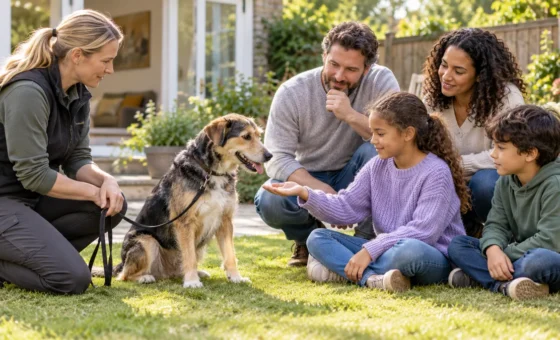
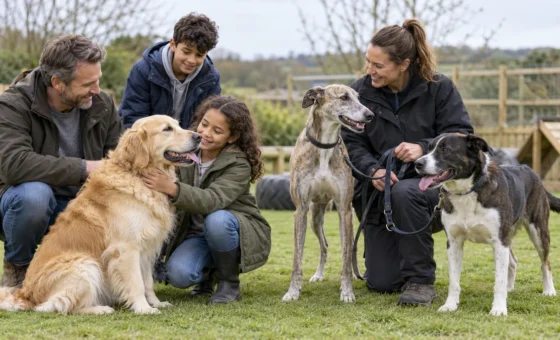
Searching for the best family dogs in the UK is a sensible first step, but a useful answer is not a one-size-fits-all breed list. The right choice is a dog whose size, energy, care needs and individual temperament fit the adults, children and routine in your home.
You stay on this website. No payment required.
What makes a dog a good family fit?
Start with your household rather than a ranking. Consider who will walk, train, groom and pay for veterinary care; how long the dog may be alone; the space available; and whether the children are ready to follow calm, consistent rules. A dog that needs sustained physical activity can be a poor match for a family that has little time outdoors, while a low-energy dog may not suit a very lively home.
On this page
Age matters too. A large or very bouncy dog can feel overwhelming for young children, whereas an older child may be able to take part in supervised training and walks. This is not a rule about any one breed: it is a prompt to think honestly about handling, noise, visitors and the rhythm of a normal school week. The individual dog’s history and needs still come first.
Build a shortlist around real life
- Time Write down who can provide daily exercise, play, training and company.
- Home Check whether the dog will have a quiet, undisturbed place to rest.
- Energy Match the dog’s likely activity needs to the routine your family can maintain.
- Support Plan for grooming, veterinary care, training and help when adults are away.
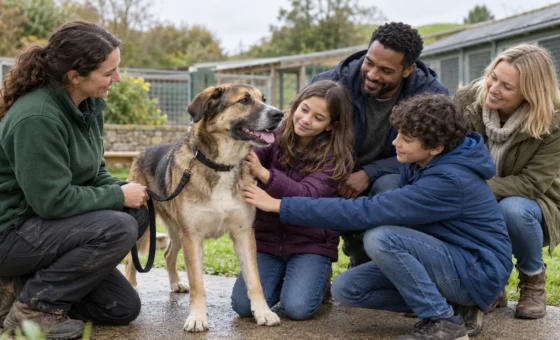
For a puppy, make time for house training and socialisation from the beginning. For an adult rescue dog, read the rehoming profile closely and ask about experience with children, visitors, being left alone and any support the dog needs. Meeting a potential dog in a calm, supervised setting can help everyone judge whether the interaction feels comfortable.
Family safety is part of the choice
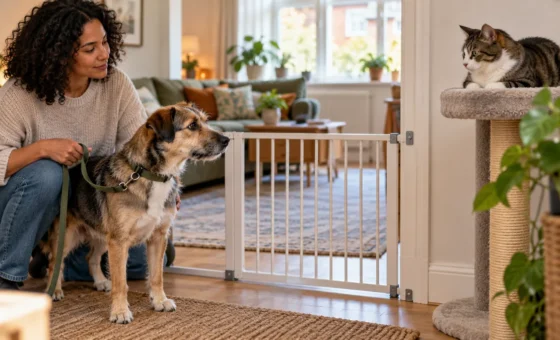
No dog should be expected to manage every interaction without adult help. Make supervision, a protected resting area and respectful behaviour part of the plan before a dog arrives. Children should learn not to disturb a dog that is eating, resting or using a toy, and adults should step in early if either the child or dog looks uncomfortable.
The best family dog is therefore the dog you can understand, care for and keep safe around your children over time. Use a structured comparison instead of choosing solely from online popularity lists; it gives you a clearer basis for speaking with a rehoming organisation, responsible breeder or veterinary professional.
Frequently asked questions
Is there one best dog breed for every family?
No. Breed information can guide research, but a suitable choice depends on the individual dog, the children’s ages, your home and the care your family can consistently provide.
Should we choose a puppy or an adult dog?
Either can be suitable, but the commitments differ. Puppies need intensive early training and socialisation, while an adult dog may have an established history and specific rehoming requirements to discuss.
What should children learn before a dog comes home?
Children should learn to be calm, allow a dog space, avoid disturbing food, toys and sleep, and ask an adult for help rather than managing the dog themselves.